
We know that climate change is already taking its toll on our planet. Whether that means more frequent and extreme...
Everything But the Carbon Sink
read more
by Tree Trust | Archive
We know that climate change is already taking its toll on our planet. Whether that means more frequent and extreme...
by Tree Trust | Archive
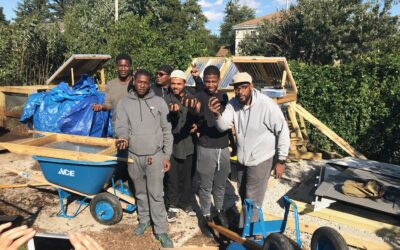
This past fall, we took our first cohort of apprentices with the Urban Roots Apprenticeship to a composting workshop...

by Tree Trust | Archive
Known as the masterpiece of trade shows, the Mid-Atlantic Nursery Trade Show (MANTS) does not disappoint. The...
by Tree Trust | Archive
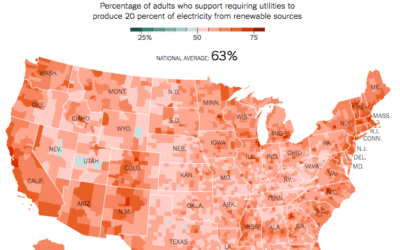
"Americans are politically divided over climate change, but there’s broader consensus around some of the solutions."...
by Tree Trust | Archive
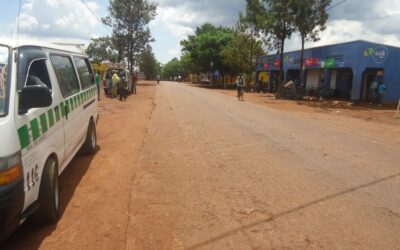
As more cities and countries look into ways to reduce their waste through plastic bag or styrofoam bans, one country...
by Tree Trust | Archive
Today marks The Climate Reality Project's "24 Hours of Reality" movement. Over the course of 24 hours, they are...

by Tree Trust | Archive
"We've set this chain in motion, but the truly cataclysmic changes can be prevented if we act now." As we wrap up our...
by Tree Trust | Archive
We are lucky to have a great volunteer base--one that helps us to plant and maintain trees, but also one that makes...
Urban forests provide vital benefits to Baltimore communities: cleaner air through pollution filtration, cooler neighborhoods that reduce urban heat, improved stormwater management, healthier communities with green spaces, and higher property values. Planting and caring for trees in low-canopy areas fosters a more connected, healthy, and green urban space for all residents.