
New strides in technology are exciting, but their environmental toll presents a far less promising picture. The rapid expansion of AI data centers places heavy demands on our environment—demands that our natural resources cannot sustain. But what is a data center? How is AI involved? A data center, simply put, is a physical facility that houses technological infrastructure needed to store digital data.
Data centers mainly store routers, servers, storage systems, etc. AI data centers are specialized facilities to house AI capabilities. Data centers are not new, but because of the increased demand and forced push for AI, these tech rooms are growing at an alarming rate. Multi-acre AI data centers require massive amounts of land to store the technology for data centers, resulting in air pollution, overuse of energy and water, and deforestation.
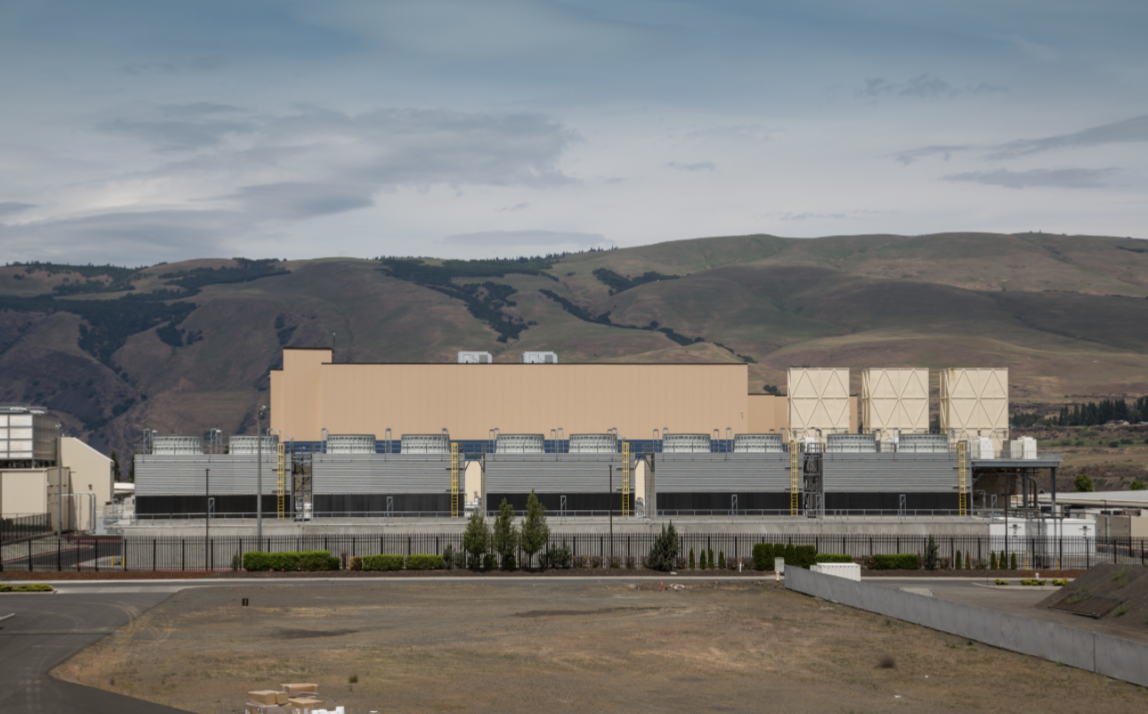
A photo of the Google Data Center in The Dalles, Oregon, taken May 17, 2025, by Tony Webster from Minneapolis, MN.
Data centers emit large amounts of CO2, which pollutes our air and worsens respiratory issues like asthma. They require a lot of energy to operate, driving up utility costs in nearby communities. Data centers require clean drinking water to cool their servers, which already exacerbates drought conditions in affected areas.
Because of the size of data centers, deforestation and large scale renovation of land is required. Cisco’s webpage says, “Robust storage solutions are vital to handle the rapid data growth from AI applications. AI data center infrastructure must ensure high availability and reliability, to make data easy to access for training and inferencing tasks.” The robust storage needed would mean sacrificing our tree canopy for AI data centers to have capacity. This directly harms our city’s and surrounding areas’ already low tree canopy that we are fighting to restore. With AI data centers’ lack of care and priority for our environment, we are facing reductions to the number of our trees and free green spaces, limiting our potential for more in our communities. This leads to decreased biodiversity, conservation of local native ecosystems, and third spaces such as parks. Data centers may also increase the impact of the urban heat island effect.
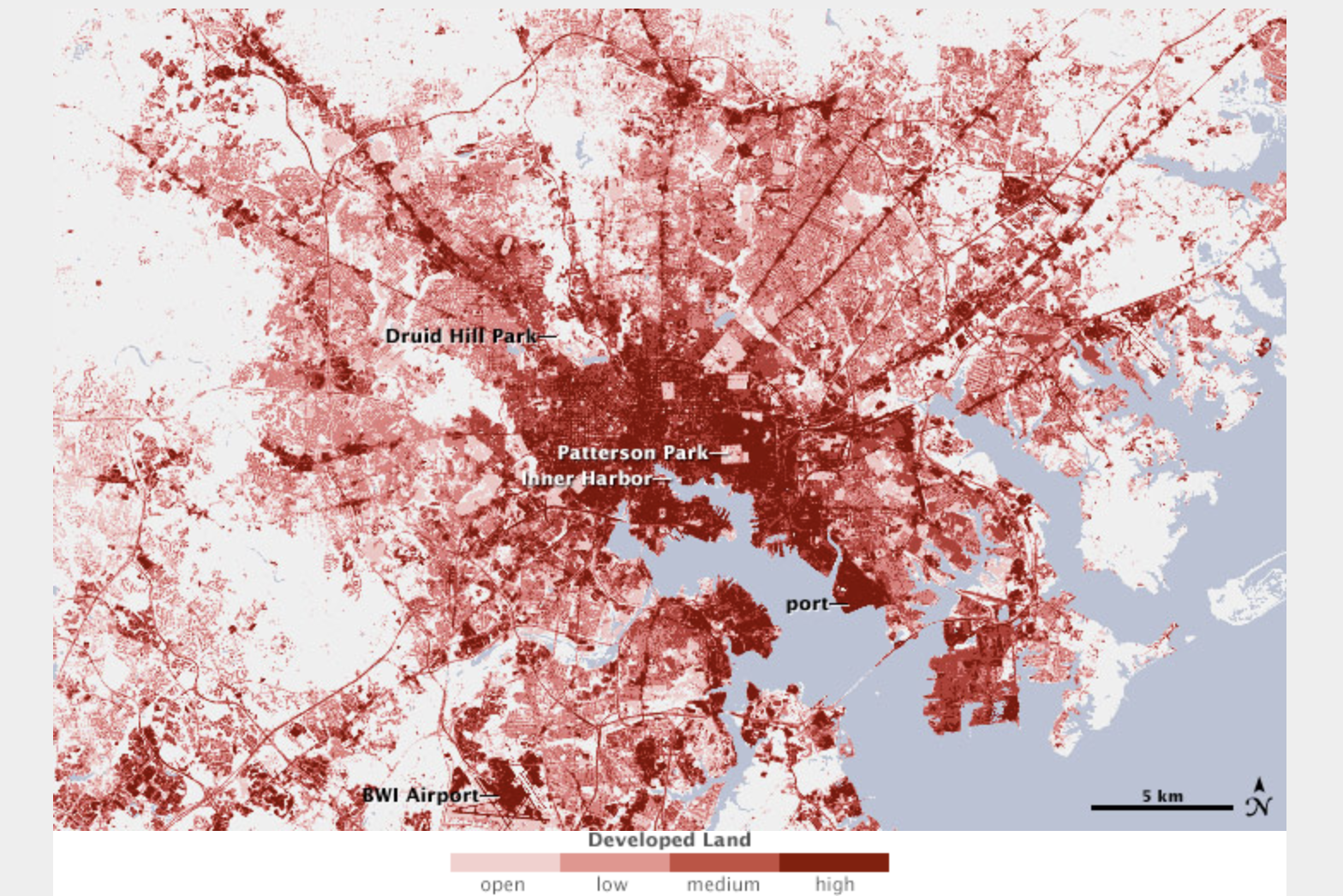
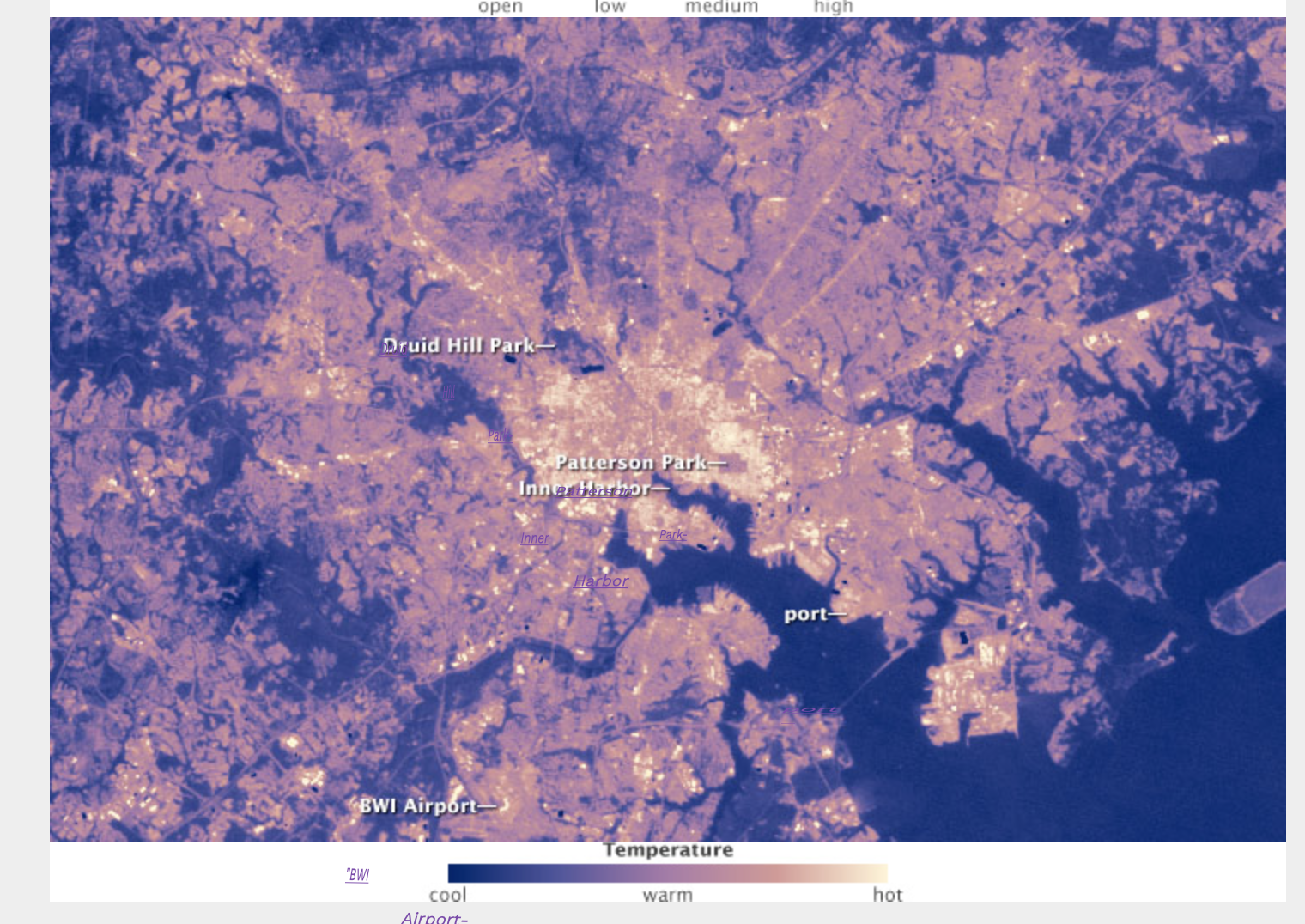
The urban heat island effect is a phenomenon where urban areas can see temperatures up to 10 degrees hotter than suburban or rural areas. This occurs because urban areas have disproportionately low tree canopy or green spaces compared to other areas as a result of redlining. Redlining is a discriminatory, race-based housing practice in which financial institutions withhold financial services based on the racial demographic of a neighborhood. Formerly redlined areas frequently have lower tree canopy and more impervious surfaces like sidewalks and streets. A low tree canopy leaves communities without relief from extreme heat. It also threatens vital spaces like parks and community gardens, where people gather to relax, exercise, learn, and play.
If you live near a data center you may have noticed it is getting warmer, Data centers may be the culprit. Matei Georgescu, Urban climate expert at Arizona State University, found that temperatures in and around data centers can be up to four degrees warmer during the daytime. Before you think that’s not too bad, he also had this to say about these rising temperatures, “A 1 to 2 to 3 degree Fahrenheit temperature increase might not sound much, but it might translate to a significant cost in your air conditioning.”
Heatwaves mean more energy used to cool homes and buildings, and the cost is sneaking its way into your monthly energy bill. Data centers strain our limited energy sources, leading to brownouts or blackouts. Influxes of data centers are adding to record-breaking heatwaves, leaving residents to pay the bill while also being asked to limit their own energy and water use. Almost 40% of states are in drought; these states will be competing with AI data centers for energy and water sources. Out of 809 proposed data centers, 517 of them are planned to be placed in locations already facing drought. Meanwhile, torrential downpours strike in a desperate natural cycle to cool the atmosphere, worsening floods across communities that lack sufficient tree cover and green infrastructure to absorb runoff.
The price tag of data centers doesn’t just fall on your energy bill. AI data centers are a part of a billion-dollar tech industry, yet they pay similar property taxes as normal homeowners or even commercial businesses. Oftentimes, data centers receive tax breaks and incentives from states to build in their districts. Victoria Venable, Director of Government Relations and Strategic Partnerships in Frederick County, urges leadership to provide additional taxing authority for this industry on the county level. In a recent Conservation Conversation webinar she said, “We are leaving money on the table; they don’t need our incentives to make money unless they are going to do something for it.” In addition to draining our water resources and driving up utility costs, data centers exhaust our energy supplies.
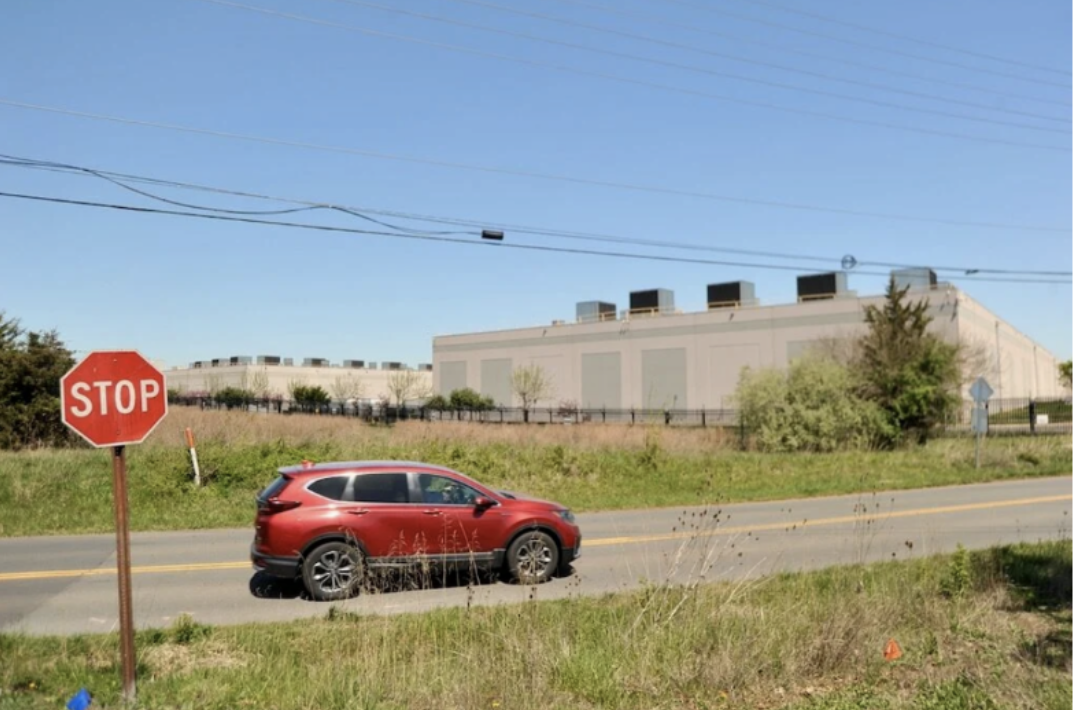
Data centers operate continuously 24/7, generating noise levels up to 96 decibels—comparable to a hair dryer or lawn mower. Unlike standard urban noise, this constant disturbance can travel miles and penetrate enclosed homes and schools. As a result, nearby residents experience sleep disruption, while students face learning interference. Beyond these disruptions, communities report health issues such as headaches, nausea, and vertigo caused by the continuous sound.
The consequences of data centers extend beyond human communities, posing a serious threat to vital pollinators like bees and butterflies that sustain our crops, biodiversity, and local ecosystems. Bees rely on low-frequency vibrations and acoustic signals to communicate, but persistent noise pollution from data centers can interfere with these critical signals. Furthermore, light pollution from these facilities disrupts the natural migration routes of moths and butterflies. Any disruption to these essential pollinators ultimately puts our broader food supply at risk.
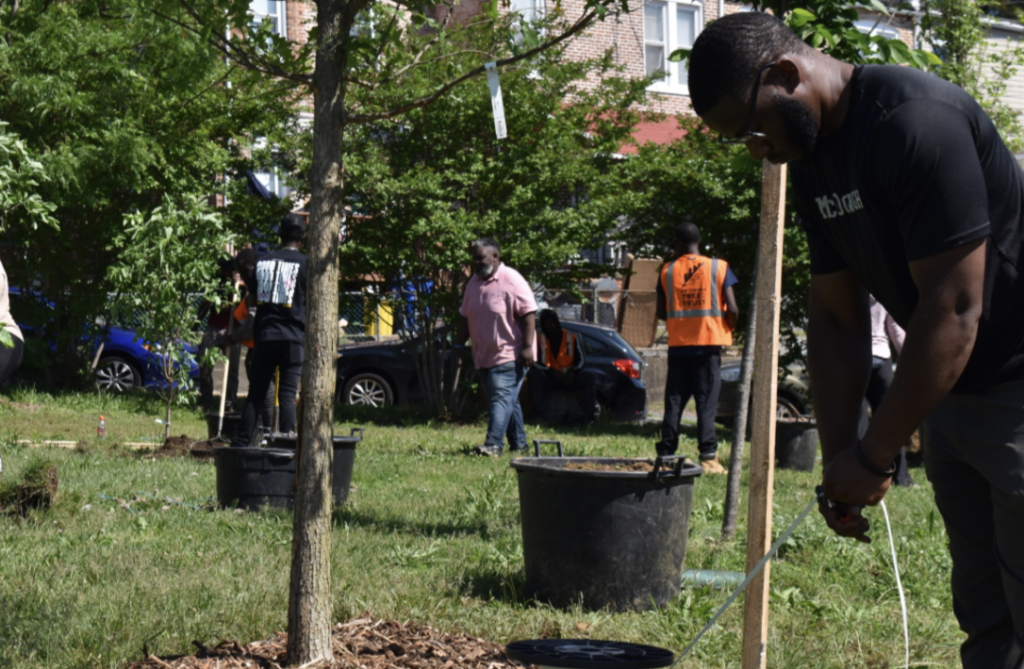
The rise of data centers and the impacts on our environment may seem unavoidable. But that is far from the truth; what we need is continued support and effort into planting new trees to offset the impact of data centers. Trees clean the air by absorbing CO2, releasing clean oxygen in return. One mature tree can absorb more than 48 pounds of carbon dioxide in one year. This reduces health problems like asthma and other respiratory issues.
Unlike data centers, trees actually lower energy costs by offering shade, which cools the air by up to 12 degrees. This process happens through evapotranspiration, water loss from evaporation and transpiration. Evaporation refers to rainwater turning into vapor, and transpiration happens when the water is released back into the air from leaf surfaces, cooling the air around it. Trees also cool the air through their leafy canopies, blocking sun radiation from hitting asphalt and concrete. This reduces the urban heat island effect and lowers energy costs to communities.
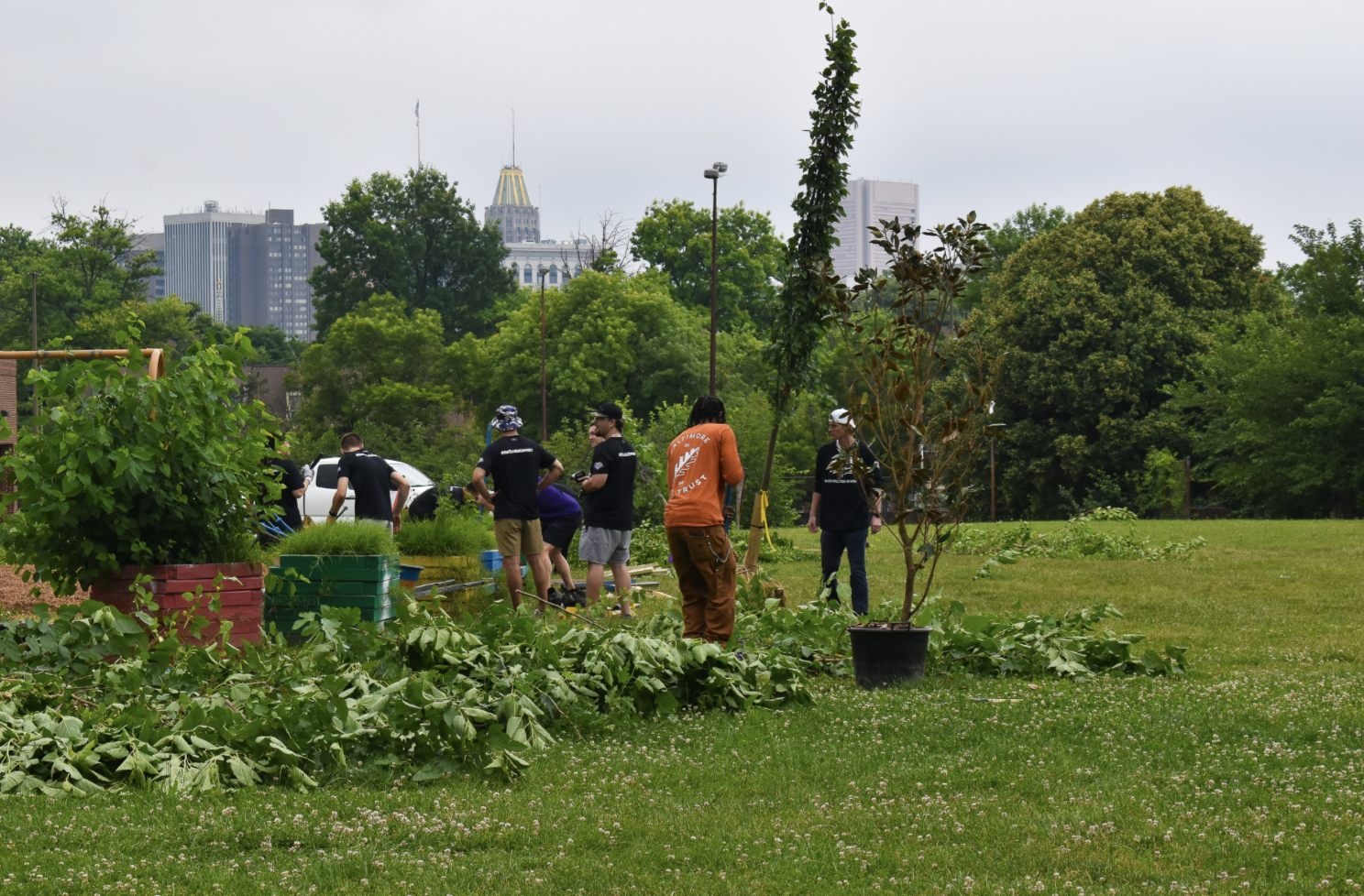
Trees filter stormwater by intercepting and filtering polluted runoff. They reduce the risk of flooding by slowing down rainfall through their canopies and roots to improve soil infiltration, allowing rainwater to be absorbed into the soil. Trees are also a great shelter and food source for dozens of furry, feathered, or flying creatures like bees and butterflies. Maryland is home to over 160 native tree species, 150 species of butterflies, and 400 species of bees. Trees provide pollen and nectar that support bee health and honey production. Even the fallen leaves from trees offer shelter to all life stages of butterflies and moths, groundnesting bees raising their young, and queen bees overwintering, or waiting out the winter season. This shelter and food encourage growth in bee and butterfly populations that are critical to our food supply. Trees do not make noise but they offer the song of birds, squirrels, and other natural sounds. Research says that time in green spaces listening to these sounds can boost mood, reduce stress, and improve brain function.
With continued deforestation, clearing more land for more data centers, wildlife are forced to find new shelter in nearby neighborhoods, which can be under cars or inside your home. More trees means more green space and more third spaces, an alternative to the two main spaces you occupy in your daily life: your job or school and your home. A push for more trees and green spaces gives us a free spot that promotes connection between communities without the pressure of time limits or being a customer. Technology is fun, exciting, and a lot of times necessary, but data centers come at a high cost to our environment, our health, and our futures. Trees help us stay healthy, happy, and sustain our entire world.
Protecting our city’s trees from the growing impact of data centers requires a collective effort, and there are many ways to take action. You can make your voice heard by speaking to your elected officials or showing up to your community’s town hall meetings.
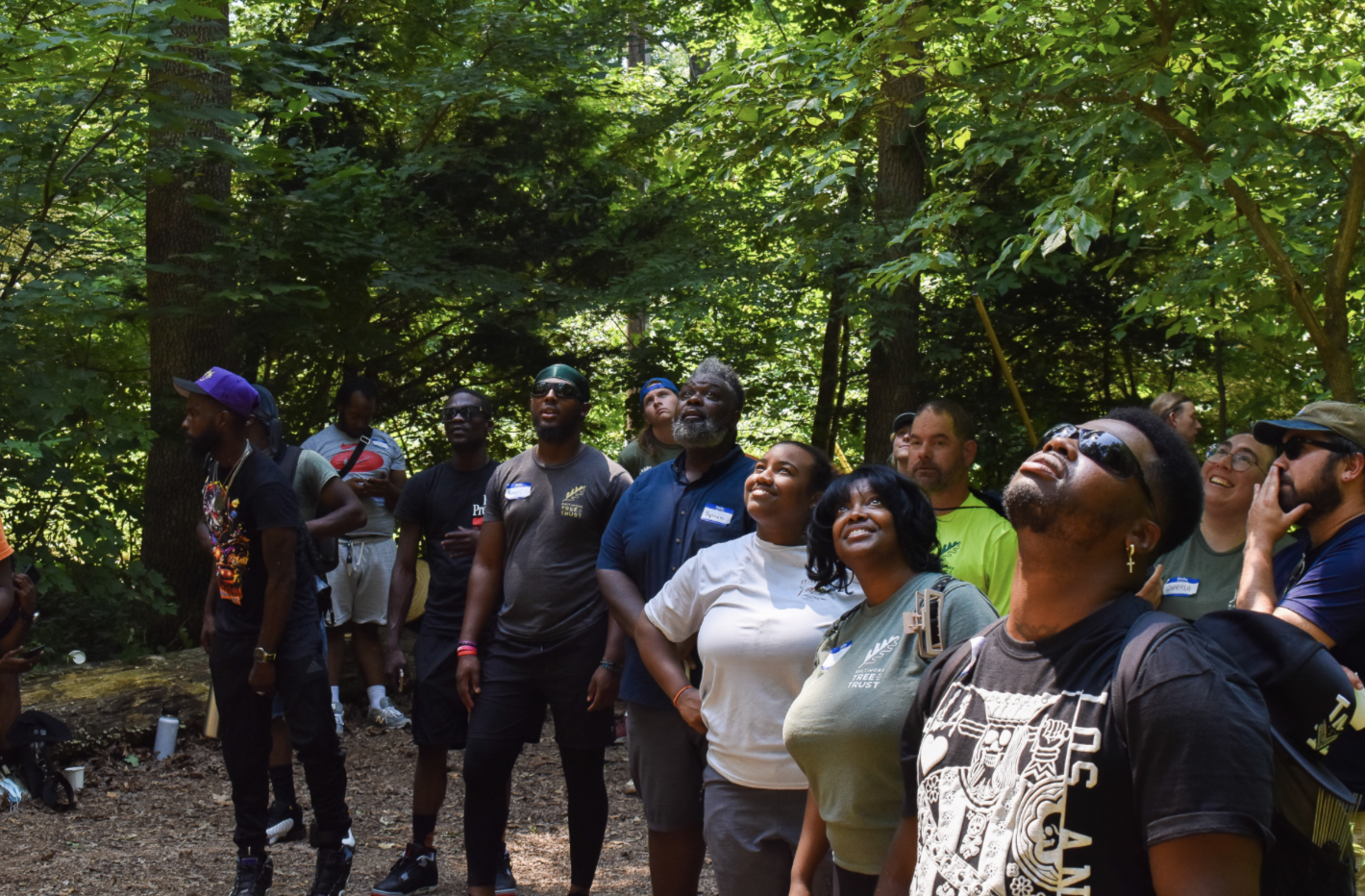
Here at the Baltimore Tree Trust, we recognize the unequal distribution of our city’s tree canopy, and we invite you to join us in restoring our canopy:
Plant a tree in your yard this Fall
Volunteer to plant with us
Donate to our planting efforts
The Baltimore Tree Trust is a nonprofit organization dedicated to protecting and expanding Baltimore City’s urban forest—one tree at a time. Learn more about our work