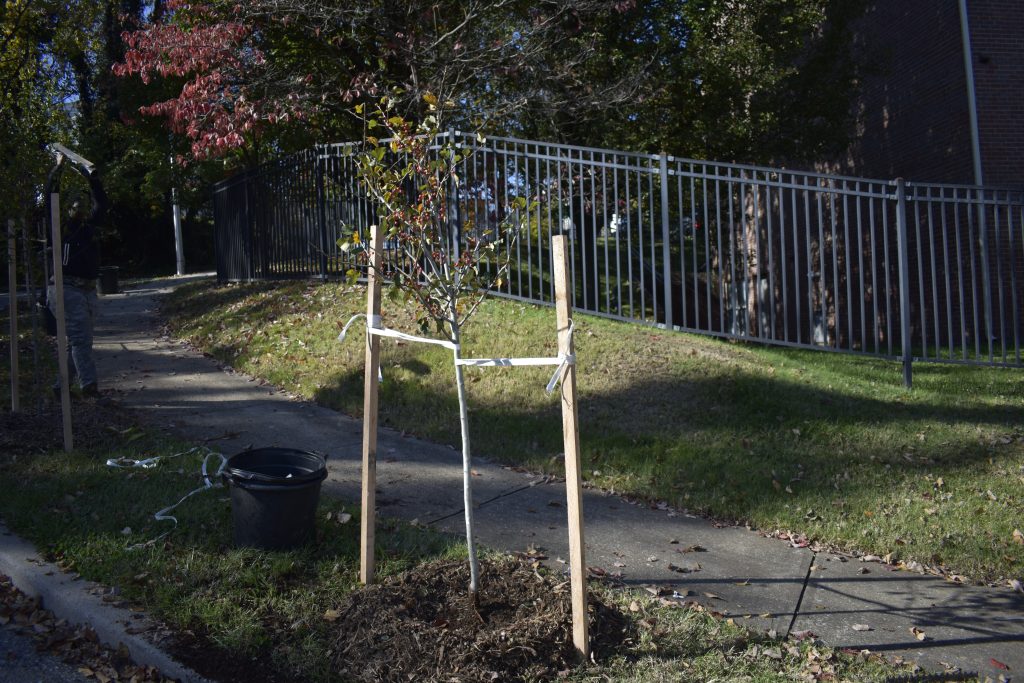
Trees can be very sensitive to their environment. Some trees can handle warmer climates; some trees prefer cold weather, but no tree needs litter. Litter is the improper disposal of waste. This can be accidental, like trash blowing away in the wind. Nonetheless, litter can still harm the health of an urban tree.
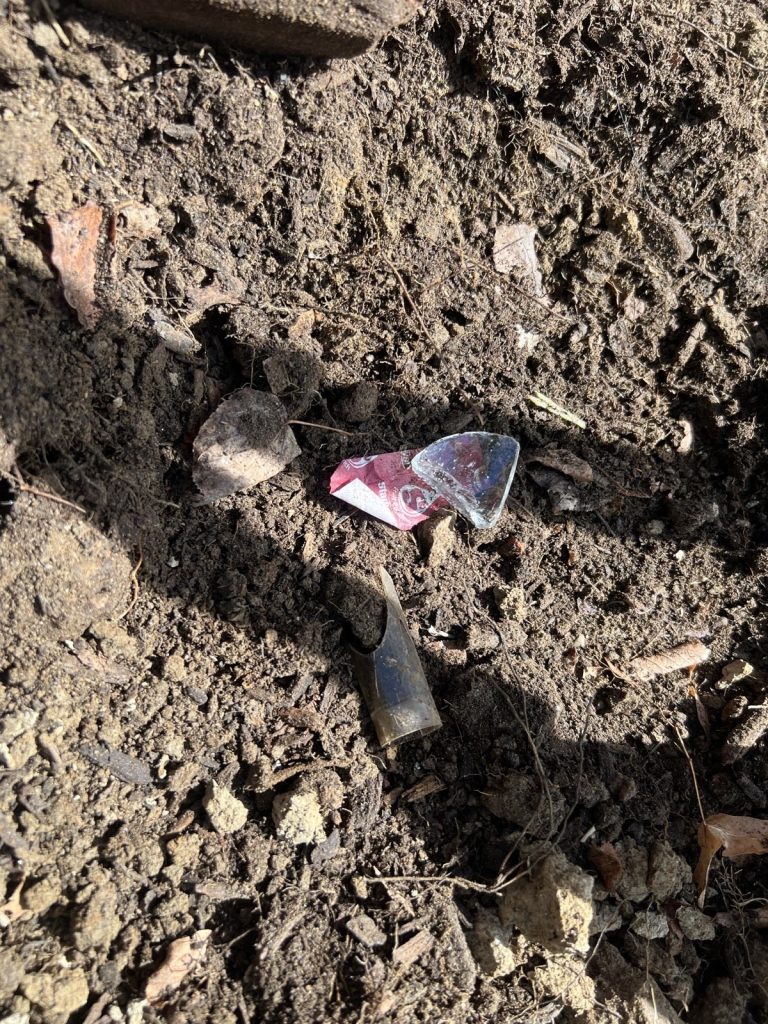
Litter has a harsh impact on wildlife, the environment, and us. When litter breaks down, it releases toxic chemicals and microplastics that pollute our soil and water. Microplastics can build up in trees and impair growth and photosynthesis. Broken shards of glass can also make litter hazardous to everyone. Litter is often mistaken for food by wildlife, leading to ingestion and harm to local wildlife and pets. It also attracts rodents and pests that may carry diseases, increasing the risk of transmission to humans. Littering can also put financial strain on communities that pay for street cleaning.
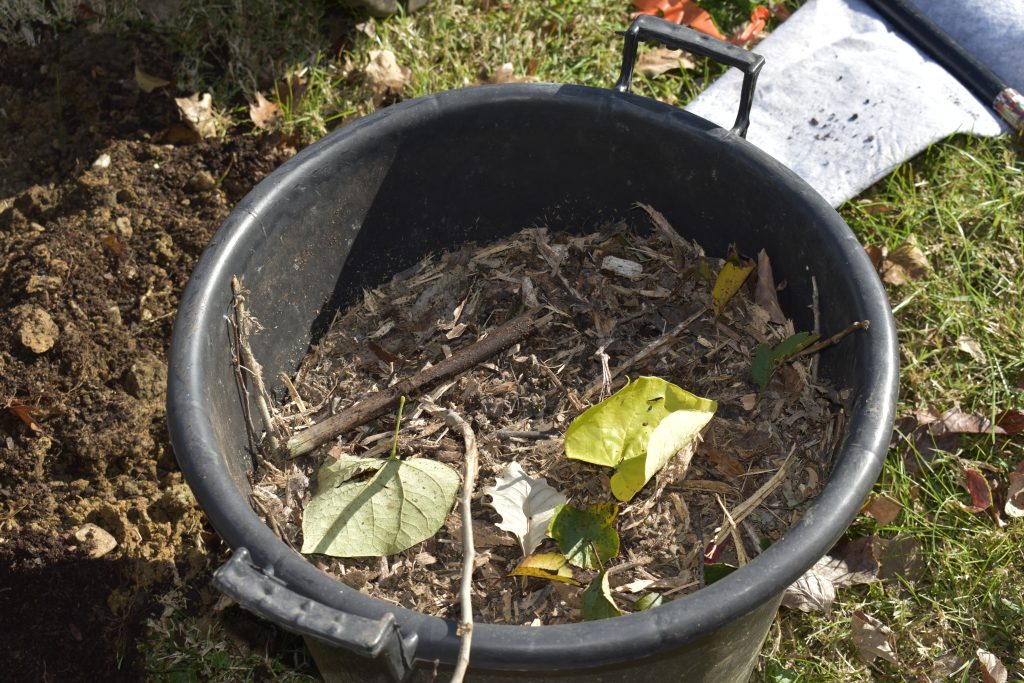
While out planting, our crew often finds litter that gets buried deep in the soil, which may affect our trees. The only litter we approve of is natural leaf litter that falls from trees. This ‘leaf litter’ is natural and makes an excellent mulch for trees. Leaf litter is also recyclable; it is a great source for composting. Studies suggest that leaf litter strengthens ecosystem biodiversity by making soil more fertile. Leaf litter holds many nutrients that release into the soil as it decomposes, and it can store carbon in the ground! We understand it may be unsightly to some, but please save yourself the time, money, and energy of cleaning up the leaves. They are right where they need to be!
If you see litter around your trees or in your neighborhood, consider cleaning it up if you can do so safely. Gather your neighbors for a city cleanup and talk to your leaders about ways to combat the litter.
Together, we can make Baltimore cleaner and greener.